Explosion-proof glass and safety glass serve crucial roles in protecting lives and property. Understanding the distinctions between them is vital for industries facing potential hazards. According to a report by the National Institute for Occupational Safety and Health, around 25% of workplace injuries involve glass-related incidents. This highlights the significance of using the appropriate glass type in specific environments.
"What makes explosion-proof glass different from standard safety glass?" states Dr. Amelia Thompson, a leading expert in industrial safety materials. She emphasizes that explosion-proof glass can withstand pressure and impacts that would shatter regular safety glass. This resilience is essential in industries like oil and gas, where explosive incidents can occur. Using the wrong type of glass can lead to catastrophic failures.
Moreover, the manufacturing processes and materials differ significantly. Explosion-proof glass includes layers of advanced polymers and special treatments. These enhance its strength beyond that of standard safety glass. Inadequate attention to these differences may lead to severe consequences in high-risk environments. Understanding the unique attributes of each glass type is necessary for ensuring safety and compliance.
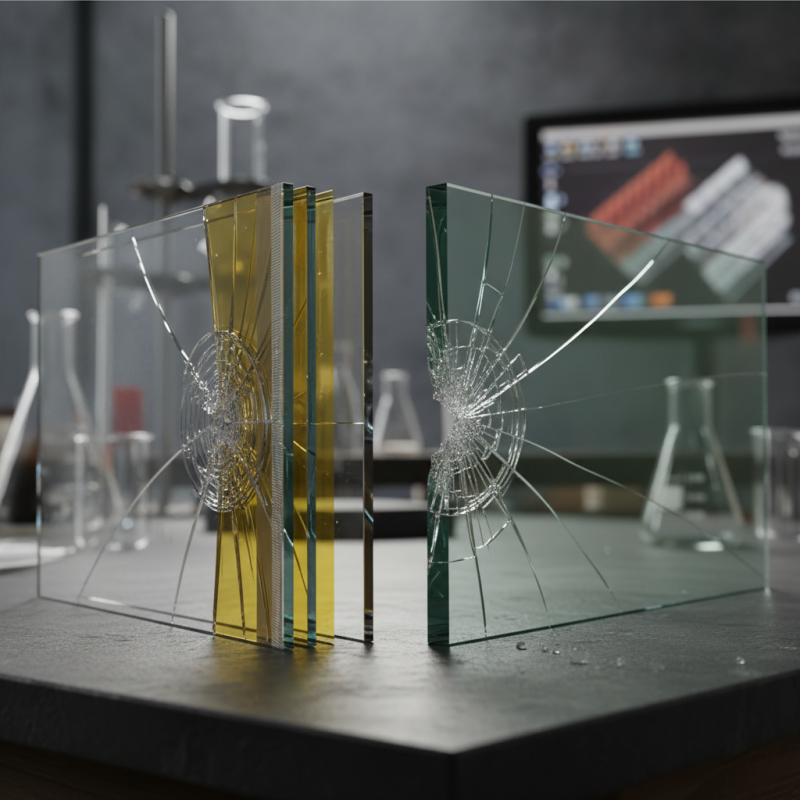
Explosion-proof glass and safety glass serve distinct purposes. Understanding their key characteristics is essential for choosing the right material for your project.
Explosion-proof glass is designed to withstand high-pressure blasts. It usually consists of multiple layers of glass and plastic. This construction allows it to absorb shock and prevent shattering. Safety glass, on the other hand, is often made from tempered or laminated glass. It is meant to minimize injury by breaking into small, blunt pieces. Both types provide protection, but their applications vary significantly.
Tips: When selecting glass for safety applications, consider the environment. Is there a risk of explosion? Or is the focus on preventing injury? Evaluate the specific needs before making a decision.
Another point of reflection is the installation process. Explosion-proof glass can be bulkier and requires specialized framing. Safety glass can be easier to install. However, applying the wrong type in a critical area can lead to severe consequences. Always consult professionals for the best outcome.
Explosion-proof glass and safety glass differ significantly in their material composition, impacting their strength and resilience. Explosion-proof glass often consists of multiple layers of laminated glass, incorporating polycarbonate or other resilient materials. This construction allows it to withstand high-pressure blasts and projectiles. In contrast, safety glass primarily uses tempered or laminated glass, designed to shatter into less harmful pieces upon impact. According to industry reports, explosion-proof glass must meet rigorous standards, like ASTM F2910, ensuring its effective performance under extreme conditions.
The resilience of explosion-proof glass is evident in its ability to resist shocks and blast waves. A report from the Glass Association noted that this type of glass could sustain impacts exceeding 10,000 joules. Safety glass, while durable, does not offer the same level of protection. It typically withstands forces between 1,000 to 2,000 joules. This stark contrast highlights the need for careful material selection based on specific safety requirements.
Despite their advantages, neither glass type is foolproof. Explosion-proof glass can become damaged over time due to environmental factors, resulting in reduced efficiency. Similarly, safety glass may not offer complete security against all threats. Recognizing these limitations is crucial for manufacturers and users alike. Selecting the appropriate glass involves balancing strength, resilience, and potential shortcomings.
Explosion proof glass is crucial in hazardous environments. It is engineered to withstand blasts, vibrations, and impacts. This makes it highly effective in industrial settings, especially in oil and gas sectors. In these areas, safety is paramount. Workers rely on materials that protect against potential explosions and other accidents. The glass forms a barrier that minimizes danger from explosive forces.
Safety glass, while also protective, has different applications. It is more commonly used in residential buildings and vehicles. Unlike explosion proof glass, safety glass focuses on preventing shattering. In contrast, explosion proof glass requires rigorous testing standards. It must meet specific requirements to qualify for use in hazardous zones. This leads to a higher level of trust and reliability in critical situations.
Using explosion proof glass is not without challenges. Manufacturing processes can be complex and costly. Additionally, installation requires expertise to ensure maximum safety. While the benefits are substantial, organizations should weigh these factors carefully. They must reflect on their specific needs and potential risks in their environment.
Safety glass is crucial in construction and manufacturing. It is designed to minimize injury upon impact. This glass type is made to break into small, blunt pieces rather than sharp shards. The standards set by ANSI (American National Standards Institute) and ASTM (American Society for Testing and Materials) provide guidelines to ensure safety.
ANSI outlines specific performance requirements for safety glass. It includes tests for strength, impact resistance, and thermal stability. ASTM supplements these standards with detailed testing methods and specifications. Compliance with these regulations reflects a commitment to safety and quality. However, not all manufacturers strictly adhere to these guidelines. Some options may lack adequate testing. This inconsistency can lead to vulnerabilities in safety features.
In contrast, explosion-proof glass focuses on resisting explosive forces. It is engineered differently, prioritizing structural integrity over shattering. Understanding these differences is vital for selecting the right glass for specific applications. Limitations exist in both types of glass. Not all safety glass performs well in every situation. Regular reviews of safety standards can enhance knowledge and application.
This chart illustrates the key differences between Safety Glass and Explosion Proof Glass across various parameters such as impact resistance, thermal resistance, explosion resistance, and more. Each parameter is rated from 1 to 10.
When considering the cost and longevity of explosion-proof glass versus safety glass, several factors come into play. Explosion-proof glass is specifically engineered to withstand extreme conditions and prevent shattering. This advanced technology often makes it more expensive. The materials used are typically robust, adding to the upfront costs. In settings where safety is paramount, this higher initial investment may be justified.
Safety glass, on the other hand, provides effective protection against breakage but is less specialized. It is commonly used in residential and commercial areas. Therefore, its manufacturing process is more cost-effective, resulting in lower prices. However, while safety glass offers durability, it may not last as long under extreme conditions. In high-risk environments, the longevity of explosion-proof glass can offset its higher price. Over time, choosing the right type can save costs related to injuries and repairs.
Reflecting on these options reveals complexities. An assumption could be that lower prices mean less value. However, safety glass can offer reliability in everyday settings. Understanding these nuances is key to making informed decisions. Evaluating your specific needs is essential for choosing wisely.
: Explosion-proof glass withstands high-pressure blasts and absorbs shock to prevent shattering.
Safety glass minimizes injury by breaking into small, blunt pieces upon impact, instead of shattering.
Consider the environment and risks, such as explosions or potential injuries, before making a choice.
No, explosion-proof glass is bulkier and needs specialized framing. Safety glass is generally easier to install.
Explosion-proof glass has multiple layers with resilient materials, while safety glass mainly uses tempered or laminated glass.
Explosion-proof glass can handle impacts over 10,000 joules, while safety glass typically withstands 1,000 to 2,000 joules.
Yes, explosion-proof glass may degrade due to environmental factors, and safety glass might not protect against all threats.
Neither glass type is completely fail-safe. Users must understand their limitations and select appropriately.
Consulting professionals is essential to ensure the right glass is applied for specific safety needs.
The article "10 Key Differences Between Explosion Proof Glass and Safety Glass" explores the fundamental distinctions between these two types of glass, focusing on their key characteristics, material composition, and suitable applications. What makes explosion-proof glass different from standard safety glass is mainly its construction and ability to withstand high-pressure blasts, making it essential for use in hazardous environments.
Safety glass, while designed to reduce the risk of injury upon breaking, does not offer the same level of protection from explosive forces. The article also outlines safety glass standards such as ANSI and ASTM regulations and discusses the cost considerations and longevity of each type. Understanding these differences is crucial for choosing the appropriate glass type for specific applications, particularly where safety and security are paramount.

Aero Glass