How Much Weight Can Heavy Machinery Tempered Glass Panels Hold?

Time:2026-05-28 Author:Madeline
0%

Understanding the strength of tempered glass panels is crucial in heavy machinery applications. Many industries rely on these panels for their durability and safety. However, an important question arises: How much weight can a tempered glass panel for heavy machinery hold?

Tempered glass is designed to withstand significant stress. Yet, its load-bearing capacity can vary based on thickness and treatment. For example, a thicker panel can handle more weight. On average, a 10mm tempered glass panel may support several hundred pounds. This is impressive, but it's essential to consider real-world factors.

Environmental conditions, manufacturing inconsistencies, and installation methods can all affect performance. Relying on standardized figures may lead to oversight. Therefore, engineers must evaluate specific situations with care. Testing under actual conditions provides the best insights. Ultimately, understanding limitations helps ensure safety and reliability in heavy machinery usage. Weight limits should always be approached with caution.
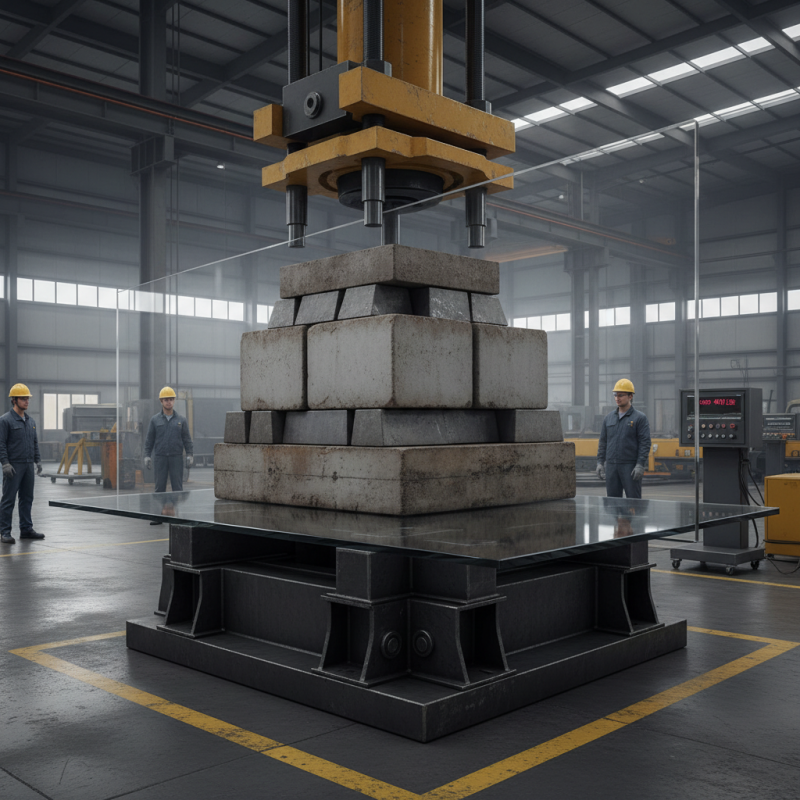
How Much Weight Can Heavy Machinery Tempered Glass Panels Hold?

Types of Heavy Machinery Tempered Glass Panels Used in Construction

When discussing heavy machinery tempered glass panels, it’s vital to understand their types and applications in construction. These panels vary significantly in design and strength. Some are used for simple partitions, while others endure extreme pressure. Common types include laminated panels, which combine glass layers for added strength, and low-iron glass panels that provide clearer views without compromising durability.

Each type serves a unique purpose. For instance, laminated panels often find use in high-rise buildings. They offer resistance to shattering and impact, crucial for safety. However, despite their advantages, these panels have limitations. They may chip or lose clarity over time, raising questions about longevity in demanding environments.

In the world of construction, not all tempered glass panels are equally effective. Some might buckle under excessive weight or stress. Knowing the right type for specific applications is essential. Contractors must consider factors like load-bearing capacity and environmental conditions. The choice isn't always straightforward, and ongoing research in materials science may lead to better options in the future.

How Much Weight Can Heavy Machinery Tempered Glass Panels Hold?

Panel Type Thickness (mm) Maximum Load (kg) Common Applications
Float Glass 10 100 Windows, Partitions
Laminated Glass 12 150 Skylights, Facades
Tempered Glass 15 200 Curtain Walls, Shower Doors
Heat Soaked Glass 20 300 Balustrades, Glass Floors

Understanding the Strength Properties of Tempered Glass in Machinery

Tempered glass is vital in heavy machinery applications. Its strength properties make it suitable for various industrial uses. This type of glass undergoes a special heating process. This treatment increases its durability and resistance to thermal stress.

The strength of tempered glass depends on thickness and treatment quality. Generally, it can withstand significant weight under specific conditions. For example, a 10mm thick tempered glass panel can hold weight up to 1,000 pounds safely when installed correctly. However, improper installation can lead to unexpected failure. Users should always be aware of weight limits.

Understanding the limitations of this material is essential. While it is stronger than ordinary glass, it isn’t unbreakable. Environmental factors can influence its performance. We must consider not just weight but also pressure distribution and support structures. Conducting proper tests and assessments will ensure reliable application in heavy machinery. This approach helps mitigate the risk of accidents and enhances safety.

Weight Capacity Standards for Tempered Glass Panels in Industrial Applications

In industrial settings, tempered glass panels hold significant weight. Their strength comes from rapid heating and cooling processes. For example, these panels can accommodate up to 4-5 times more weight than standard glass. Reports indicate that a standard tempered glass panel can support a load of 40-60 psf (pounds per square foot) depending on thickness and treatment. This has made tempered glass a choice material in construction and heavy machinery settings.

However, weight capacity can vary based on several factors. Edge treatment, thickness, and installation methods influence the overall strength. For instance, a thicker panel installed with proper support can enhance weight-bearing capacity. Misalignment or improper sealing may compromise integrity, leading to potential risks. Many professionals recommend regular inspections to ensure panels are functioning as designed.

Industry standards, such as those from the Glass Association, set benchmarks for performance. It is vital to adhere to these guidelines. Failure to do so can lead to catastrophic failures. While tempered glass is robust, it requires meticulous handling. Understanding the specifics can help prevent mistakes and ensure safety in industrial applications.

Factors Influencing Load-Bearing Capacity of Tempered Glass Panels

Tempered glass panels are widely used in heavy machinery. However, their load-bearing capacity can vary. Factors like thickness, size, and tempering processes play critical roles. A thicker glass panel generally supports more weight. The size also matters; larger panels may not distribute weight evenly.

Another important factor is how the glass is tempered. This process enhances its strength but may have inconsistencies. Often, the quality of the glass also plays a role. Not all manufacturers maintain the same standards. Small imperfections can significantly reduce load capacity.

Regular inspections are necessary for safety. Assessing the load every time before use is essential. When in doubt, it’s wise to consult an expert. Innovative technologies in glass manufacturing are improving load-bearing capabilities. However, understanding these limits is crucial for effective and safe use.

Comparative Analysis of Tempered Glass vs. Laminated Glass in Heavy Machinery

When considering heavy machinery, the type of glass used is critical. Tempered glass is known for its strength, which comes from the heating and rapid cooling process. It can withstand significant pressure and impact. This quality makes it a common choice in machinery that requires durability.

However, laminated glass offers a different set of benefits. It consists of multiple layers, providing better protection against shattering. This makes it safer in environments where glass breakage could pose hazards. While tempered glass may be stronger in some aspects, laminated glass often proves more reliable in terms of overall safety.

In practical applications, both glass types exhibit their strengths and weaknesses. Choosing the right glass requires careful consideration of specific use cases. A manufacturer must analyze operational conditions, load-bearing requirements, and safety protocols. Striking the right balance can be challenging, and this is where experience plays a vital role. Every choice impacts functionality and safety.

FAQS

: What are the common types of heavy machinery tempered glass panels?

: Common types include laminated panels and low-iron glass panels. They vary in strength and applications.

How do laminated panels enhance safety in construction?

Laminated panels resist shattering and impact. This is crucial for high-rise buildings and public spaces.

What factors influence the load-bearing capacity of tempered glass panels?

Thickness, size, and tempering processes significantly impact how much weight a glass panel can support.

Why is glass thickness important?

Thicker panels generally support more weight. Size also affects how weight is distributed across the panel.

What should be considered when selecting tempered glass for construction?

Factors include load-bearing requirements and environmental conditions. The choice is not always clear-cut.

What can reduce the load capacity of tempered glass?

Small imperfections in the glass can greatly reduce its load capacity. Manufacturing quality is crucial.

Why are regular inspections important for tempered glass panels?

Regular checks ensure safety. Assessing load capacity before each use is essential for effective operation.

How does tempered glass differ from laminated glass?

Tempered glass is strong due to heating and cooling. Laminated glass consists of layers for better shatter protection.

Can laminated glass be more reliable than tempered glass?

Yes, laminated glass often offers better safety due to its multi-layered structure, even if tempered is stronger.

What role does experience play in choosing the right glass?

Experience helps balance functionality and safety. Each choice directly impacts operational effectiveness and user safety.

Conclusion

The article titled "How Much Weight Can Heavy Machinery Tempered Glass Panels Hold?" explores the critical role of tempered glass panels in construction and industrial applications. It begins by outlining the various types of tempered glass panels utilized in heavy machinery, emphasizing their strength properties and the standards that govern their weight capacity. Understanding how much weight a tempered glass panel for heavy machinery can hold is essential for ensuring safety and structural integrity in demanding environments.

Moreover, the article delves into the factors that influence the load-bearing capacity of these panels, including thickness, treatment process, and environmental conditions. A comparative analysis between tempered glass and laminated glass reveals important insights into their respective advantages and applications in heavy machinery. Collectively, this information aids engineers and construction professionals in making informed decisions about material selection, ultimately enhancing the efficiency and safety of their projects.

Madeline

Madeline

Madeline is a dedicated marketing professional with a wealth of expertise in our company's core offerings. With a keen understanding of the industry, she brings a unique perspective to her role, consistently delivering high-quality content that highlights the superior aspects of our products. As......