In cold climates, a clear windshield is not a luxury. It is a basic safety requirement. Frost, freezing rain, and road spray can obscure lane markings within seconds. The Federal Highway Administration reports that weather-related crashes cause more than 1.2 million collisions annually in the United States. Its road-weather research also identifies winter precipitation and icy surfaces as major visibility and traction hazards.
What are the benefits of heated windshields in cold climates? The practical answer begins with faster frost removal. Fine conductive elements, usually embedded within laminated glass, spread heat across the viewing area. Drivers can clear thin ice without scraping aggressively. They also spend less time waiting with the engine running. That matters during early commutes, when temperatures may fall below freezing and visibility can change quickly. Visibility matters.
Industry guidance from the National Highway Traffic Safety Administration consistently connects unobstructed vision with safer driving decisions. A heated windshield supports this principle by reducing interior fogging and exterior frost. It can also help preserve camera and sensor visibility in vehicles with advanced driver-assistance systems. However, it is not magic. Heavy ice still requires careful manual removal, and damaged glass may not heat evenly. I have seen drivers treat the feature as a substitute for proper cleaning, which is a mistake. Installation quality, electrical performance, and compatibility with vehicle sensors deserve attention. For fleet operators, manufacturers, and everyday drivers, the strongest value is simple: quicker preparation, steadier visibility, and fewer cold-weather distractions. The benefit feels small until one frozen morning makes every second count.
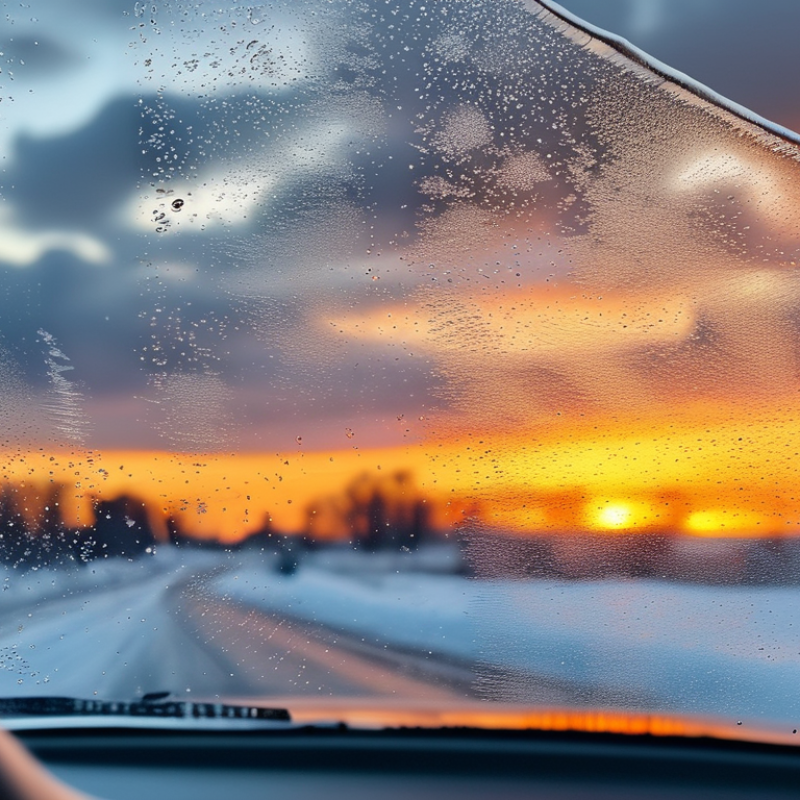
In cold climates, a heated windshield is laminated safety glass with an integrated electrical heating layer. Some designs use ultra-fine metal wires between glass plies. Others use a transparent conductive coating. When current passes through this layer, electrical resistance creates controlled heat across the viewing area. The system usually connects to the vehicle’s 12- or 24-volt electrical network. Sensors and control modules regulate temperature, preventing unnecessary power use.
The heating process targets frost, thin ice, and internal fog. It works faster than cabin air alone, especially when the glass feels colder than the surrounding air. According to the U.S. National Highway Traffic Safety Administration’s Traffic Safety Facts, winter weather was linked to about 1,235 traffic deaths and 116,800 injuries annually from 2015 to 2019. Clear glass cannot prevent every crash, but it supports earlier visual recognition of road edges, pedestrians, and stopped vehicles. That matters in darkness.
Fine wires may create faint lines or mild visual distractions for some drivers. Conductive coatings can reduce that effect, but repairs and replacement require careful technical inspection. A damaged heating layer may still look normal. It may not heat evenly. In practical use, drivers should remove heavy snow manually before activation. The heater is an aid, not a substitute for visibility checks. This detail is easy to overlook.
Cold climates create visibility problems before a vehicle even moves. Overnight, the glass loses heat to the open sky, allowing moisture to freeze on its surface. Interior humidity can also form a thin film on the cabin-facing side. Breathing, wet coats, and snow-covered shoes make this worse. The result is familiar: white frost outside, fog inside, and a narrow clear area.
Low temperatures slow ordinary defrosting. Air from the vents must warm the cabin and the glass gradually. During that delay, ice may remain attached around the edges, where scrapers often miss it. Snow can hide sensors and wiper contact zones too. Morning sunlight adds another hazard, creating glare across uneven frost. I once assumed a powerful heater solved everything. That view was incomplete.
A heated windshield addresses the glass directly. Fine conductive elements warm selected areas, helping melt frost and loosen thin ice sooner. Heat also reduces condensation on the inner surface, improving clarity during short trips. The system cannot replace careful cleaning or proper ventilation. It may work unevenly if damaged, and drivers should not treat it as instant protection. Still, in freezing weather, clearer glass can support earlier hazard recognition, steadier wiper movement, and less roadside scraping. The small delay before activation matters more than many people expect.
In cold climates, a heated windshield can restore clear vision within minutes. Fine heating elements loosen frost, thin ice, and stubborn condensation across the glass. This matters during school runs, early shifts, and sudden temperature drops. Drivers should not rely on scraping alone. A small missed patch near the lower edge can hide a cyclist or child.
The Federal Highway Administration estimates that weather-related conditions contribute to about 21% of U.S. crashes. Its 2007–2016 analysis recorded roughly 5,700 deaths and 544,000 injuries in these crashes. A clear windshield cannot prevent every collision. It can, however, support earlier hazard recognition and more confident steering. Heated glass also reduces the need to drive while leaning forward or wiping fog by hand. That awkward habit deserves more attention than it gets. Still, heating performance varies with frost thickness, outside temperature, and vehicle design.
Tips: Start the defroster before moving. Remove loose snow from the roof and hood. Keep washer fluid rated for freezing temperatures. Check the full viewing area, not only the center. If visibility remains poor, wait safely. This is practical advice, but real winter driving remains unpredictable. Even advanced glass cannot replace slower speeds, longer following distances, and a clear head.
This chart shows the distance a vehicle travels during a two-second visibility interruption, calculated using distance = speed × time. At 90 km/h, a vehicle covers approximately 50 meters before the driver can fully respond. A heated windshield can help clear frost and light ice more quickly, reducing the need to drive with obstructed vision or stop to scrape manually. Drivers should still reduce speed and maintain a safe following distance in winter conditions.
In cold climates, windshield heating is not one technology. It is a group of solutions. The choice affects defrosting speed, visibility, electrical demand, and repair complexity. The Federal Highway Administration reports that snow, slush, or ice contribute to about 18% of weather-related crashes in the United States. Clear glass becomes a safety component. On a freezing morning, frost can hide lane markings within seconds.
Embedded micro-wire systems use fine metallic filaments inside laminated glass. They warm quickly and perform reliably at very low temperatures. The wires may remain slightly visible, especially under headlights. Conductive-coating systems use a transparent metal layer across the glass. They provide more even heating and cleaner sightlines. However, coating defects can complicate manufacturing and replacement. The effect is subtle.
Laminated heating films create another approach. A thin conductive layer sits between glass sheets and connects to a controlled power circuit. Some designs heat the entire windshield, while others target the driver’s viewing area. Targeted heating can reduce energy use, but it may leave cold edges and uneven melting. The U.S. National Highway Traffic Safety Administration identifies winter weather as a recurring factor in thousands of annual crashes, reinforcing the value of rapid visual recovery. Real-world testing still matters. Laboratory performance does not always match a windshield covered with wet, refrozen ice. Engineers should measure clearing time, current draw, optical distortion, and performance after repeated thermal cycles.
| Heated Windshield Technology | Basic Construction | Heating Method | Typical Heating Coverage | Main Advantages | Limitations and Design Considerations | Cold-Climate Value |
|---|---|---|---|---|---|---|
| Fine Embedded Resistance Wires | Very thin metallic wires are laminated between glass layers, usually with electrical busbars along the edges. | Electrical current passes through the wires, and resistance converts the electrical energy into heat. | Can cover most or all of the transparent viewing area when the wire spacing is sufficiently fine. | Fast frost and ice removal; mature heating principle; relatively predictable electrical performance. | Visible wire patterns may create optical distraction or reflections. Wire spacing, resistance, and power must be carefully engineered. | Effective for removing frost and thin ice before driving, particularly during overnight freezing conditions. |
| Transparent Conductive Coating | A thin electrically conductive layer is applied to or incorporated into the laminated glass structure. Materials may include transparent conductive oxides or ultra-thin metallic layers. | The conductive layer acts as a broad-area resistive heating element when voltage is applied through edge contacts. | Usually provides broad, relatively uniform heating across a large windshield area. | Minimal visible pattern; uniform appearance; can support rapid defogging and de-icing. | Requires precise coating thickness and electrical uniformity. Optical transmission, durability, manufacturing complexity, and electromagnetic performance require control. | Useful where clear visibility must be restored quickly across a wide field of view in snow, freezing rain, or high humidity. |
| Conductive Laminated Film | A transparent conductive film is laminated between glass plies as part of the windshield assembly. | The film distributes current through a resistive conductive layer and releases heat over the laminated surface. | Coverage can extend beyond the conventional wiper-cleared zone, depending on the electrical layout and film design. | Supports large-area heating; can be integrated with laminated safety-glass construction; generally provides a clean visual appearance. | Needs reliable edge connections and compatibility with lamination temperatures, adhesives, optical requirements, and long-term thermal cycling. | Helps prevent recurring frost and reduces the need for manual scraping, improving winter departure readiness. |
| Localized Wiper and Lower-Edge Heating | Heating elements are concentrated near the lower windshield edge, wiper parking area, or other frost-prone zones. | Targeted electrical heating warms selected regions instead of the entire windshield. | Primarily the wiper resting area and lower edge; coverage is limited compared with full-surface systems. | Lower energy demand than a full-surface design; helps prevent wipers from freezing to the glass and improves wiper flexibility. | Does not remove frost or ice from the complete viewing area. It is often used as a supplemental system rather than a stand-alone solution. | Particularly useful after freezing rain or wet snow, when frozen wipers can tear, lose contact, or damage the wiping surface. |
| Printed Conductive Heating Elements | Conductive traces are printed onto a suitable layer and incorporated into the laminated windshield structure. | Current flows through the printed resistive paths, producing controlled heat in designed zones or patterns. | Can be designed for full-area, zoned, or targeted heating according to the trace layout. | Flexible pattern design; can balance heating performance, visibility, power consumption, and local heat requirements. | Electrical connections, trace durability, optical uniformity, and consistent heat distribution must be validated throughout the windshield service life. | Allows heating to be tailored to regions that ice first, helping balance quick visibility restoration with electrical-load management. |
Why Are Heated Windshields Essential in Cold Climates?
Choosing a heated windshield requires more than checking its heating speed. Confirm that the heating elements cover the driver’s main viewing area, not only the lower glass edge. Even coverage reduces stubborn frost near eye level. Check electrical compatibility with the vehicle’s charging system. An added load can matter in older vehicles or during repeated short trips.
Visibility comes first.
Ask whether the glass includes compatible sensors, cameras, or antenna systems. Incorrect replacement glass may affect automatic lighting or driving assistance features. Always follow the vehicle manual and use a qualified installer. Small differences in glass thickness, wiring, or sensor position can create expensive problems later. I have seen minor fitting issues become distracting glare during night driving.
Maintenance begins before freezing weather. Keep the glass clean, because road salt can scatter light across the surface. Use winter-rated washer fluid and replace worn wiper blades. Do not pour boiling water onto icy glass. Thermal shock may produce cracks, especially around existing chips. Avoid sharp scrapers near embedded heating wires. A plastic scraper is safer, though it may still leave a thin film of ice. Heated glass also needs time. Heavy snow may require gentle brushing first. Inspect chips early, since vibration and freezing moisture can enlarge them. If a heating section stops working, check the fuse and controls, then arrange a professional inspection rather than dismantling the glass.
It is laminated safety glass with an electrical heating layer. Fine wires or a transparent coating create controlled warmth. The system usually uses the vehicle’s 12- or 24-volt network.
Electrical resistance warms the glass surface. This loosens frost, thin ice, and interior fog. It often works faster than cabin air alone.
Clear glass helps drivers notice road edges, pedestrians, and stopped vehicles earlier. It may also reduce awkward forward leaning. Still, it cannot prevent every crash.
No. Brush away loose snow first. The heater mainly handles frost, thin ice, and condensation. Heavy snow can slow heating and block visibility.
Start the defroster early. Clear the roof, hood, and complete viewing area. Use winter-rated washer fluid. If visibility remains poor, wait safely.
Check heating coverage across the main viewing area. Confirm electrical compatibility with the vehicle. Also check sensors, cameras, antennas, and automatic lighting systems. Small fitting errors can create night glare.
Keep the glass clean and replace worn wiper blades. Avoid boiling water on icy glass. Use a plastic scraper near heating elements. Inspect small chips before freezing moisture enlarges them.
Check the fuse and controls first. Then arrange a qualified inspection. Do not dismantle the glass yourself. A damaged heating layer may look normal but heat unevenly.
Heated windshields use embedded heating elements to warm the glass evenly, helping melt ice, loosen frost, and clear condensation from the driver’s field of view. In cold climates, freezing temperatures, snow, and moisture can create serious visibility problems, while traditional scraping and vehicle heating may take several minutes. By reducing the time needed to defrost the windshield, this technology supports safer and more convenient driving during winter conditions.
What are the benefits of heated windshields in cold climates? The main advantages include faster ice removal, improved visibility, reduced dependence on manual scraping, and less risk of driving with partially obstructed glass. Heated windshields may use fine conductive wires or transparent conductive layers, depending on their design. When choosing one, drivers should consider heating speed, visibility, energy use, compatibility, and replacement costs. Regular inspection, careful cleaning, and prompt repair of damage can help maintain reliable performance throughout the cold season.

Aero Glass